
Published on Mar 16, 2026
Hip pain can severely affect a person’s daily life. Simple activities such as walking, sitting, climbing stairs, or even sleeping comfortably can become difficult when the hip joint is damaged. Modern medical advancements such as Hip Replacement surgery have made it possible for patients to regain mobility and live a pain-free life. Today, many patients seek treatment at a Paediatric Orthopaedics hospital in Jaipur because of the availability of advanced orthopedic care, experienced surgeons, and modern surgical technology.
In this article, we will explore the benefits, recovery time, and success rate of hip replacement surgery, while also understanding how orthopedic services such as Spine Treatment, fracture treatment, Hip Replacement, Shoulder Arthroscopy Replacement, and Hand & Upper Limb surgery play an important role in improving patients’ quality of life.
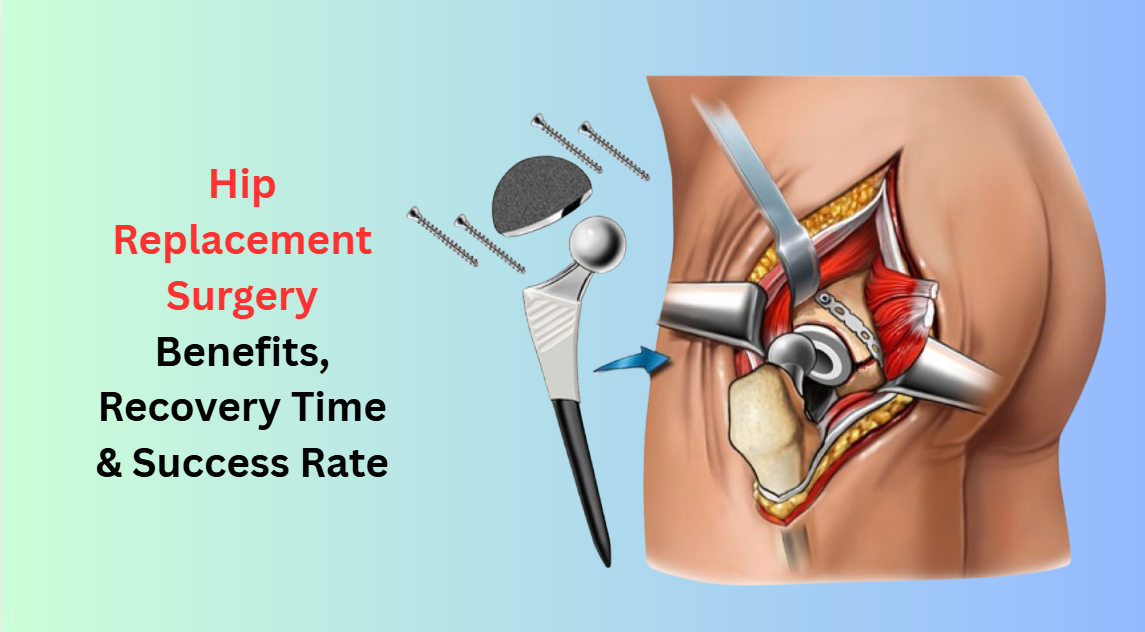
Hip replacement surgery is a medical procedure in which a damaged or worn-out hip joint is replaced with an artificial implant. The hip joint is a ball-and-socket joint that allows smooth movement between the thigh bone and pelvis. Over time, due to arthritis, injury, or other orthopedic conditions, this joint may become damaged, causing severe pain and stiffness.
During Hip Replacement surgery, the surgeon removes the damaged parts of the hip joint and replaces them with artificial components made from metal, ceramic, or durable plastic. These implants are designed to replicate the natural movement of the hip joint and provide long-term relief from pain.
Many patients choose treatment from a Paediatric Orthopaedics hospital in Jaipur because these hospitals are equipped with modern diagnostic tools, experienced orthopedic surgeons, and advanced rehabilitation facilities.
Several medical conditions can damage the hip joint and require surgical intervention. Some of the most common conditions include:
Osteoarthritis is one of the leading causes of hip damage. It occurs when the cartilage in the joint wears away, leading to pain and stiffness.
This autoimmune disease causes inflammation in the joints, which may damage the hip joint over time.
Severe fractures due to accidents or falls may require immediate fracture treatment or even hip replacement surgery in some cases.
This condition occurs when the blood supply to the hip bone is reduced, leading to bone damage.
Hospitals offering advanced orthopedic services, including Spine Treatment, fracture treatment, Hip Replacement, Shoulder Arthroscopy Replacement, and Hand & Upper Limb surgery, provide comprehensive care for such conditions.
Hip replacement surgery offers numerous benefits that significantly improve the patient’s quality of life.
One of the biggest benefits of hip replacement surgery is relief from chronic hip pain. Patients who previously struggled with constant discomfort often experience significant improvement after surgery.
After successful surgery and rehabilitation, patients can move more freely. Walking, bending, and climbing stairs become easier.
Chronic pain can affect sleep, mental health, and overall well-being. Hip replacement surgery helps patients return to a more active and independent lifestyle.
Modern hip implants are designed to last for many years. With proper care, implants can function effectively for 15–20 years or even longer.
Many orthopedic centers, including a Paediatric Orthopaedics hospital in Jaipur, offer a range of specialized treatments such as Spine Treatment, fracture treatment, Hip Replacement, Shoulder Arthroscopy Replacement, and Hand & Upper Limb surgery under one roof.
The procedure typically involves the following steps:
Pre-surgery Evaluation
Doctors perform diagnostic tests such as X-rays, MRI scans, and blood tests to assess the condition of the hip joint.
Anesthesia Administration
The patient is given spinal or general anesthesia to ensure comfort during the surgery.
Removal of Damaged Bone and Cartilage
The surgeon removes the damaged parts of the hip joint.
Placement of Artificial Implant
A prosthetic joint is placed to replace the damaged joint.
Closing the Incision
After placing the implant, the surgeon closes the incision and the patient is moved to the recovery room.
Many patients trust a Paediatric Orthopaedics hospital in Jaipur for such procedures because of their advanced surgical infrastructure and experienced medical teams.
Recovery after hip replacement surgery varies depending on the patient’s age, health condition, and rehabilitation progress.
Patients are usually encouraged to stand and walk with support within 24–48 hours after surgery. Early movement helps improve blood circulation and speeds up recovery.
During this period, patients continue physiotherapy and gradually regain strength and mobility. Walking with a walker or cane may be recommended.
Most patients can resume normal daily activities with minimal discomfort.
Full recovery and optimal joint function are usually achieved within 6–12 months.
Hospitals offering comprehensive orthopedic care such as Spine Treatment, fracture treatment, Hip Replacement, Shoulder Arthroscopy Replacement, and Hand & Upper Limb surgery also provide rehabilitation programs to ensure faster recovery.
Hip replacement surgery is considered one of the most successful orthopedic procedures. Studies show that the success rate of hip replacement surgery is around 90–95%.
Factors that contribute to the high success rate include:
Advanced surgical techniques
High-quality implants
Skilled orthopedic surgeons
Proper rehabilitation and physiotherapy
Many patients who undergo surgery at a Paediatric Orthopaedics hospital in Jaipur experience excellent outcomes and significant improvement in mobility and comfort.
Rehabilitation is a crucial part of recovery after hip replacement surgery. A structured physiotherapy program helps patients regain strength, flexibility, and mobility.
Key rehabilitation steps include:
Gentle stretching exercises
Strength training for hip and leg muscles
Walking practice with support
Gradual return to normal physical activities
Hospitals specializing in Spine Treatment, fracture treatment, Hip Replacement, Shoulder Arthroscopy Replacement, and Hand & Upper Limb surgery usually provide customized physiotherapy programs to support faster healing.
Orthopedic hospitals today offer a wide range of treatments beyond hip replacement surgery.
Spinal disorders such as slipped discs, spinal injuries, and chronic back pain require specialized treatment. Advanced Spine Treatment options help patients regain comfort and mobility.
Bone fractures caused by accidents or sports injuries require immediate and precise treatment to ensure proper healing.
This minimally invasive procedure helps treat shoulder joint problems, including ligament injuries and joint instability.
Conditions affecting the hand, wrist, elbow, or upper limb may require specialized surgical care for proper function and movement.
Many patients prefer a Paediatric Orthopaedics hospital in Jaipur because it offers comprehensive orthopedic services under one roof.
Jaipur has emerged as a hub for advanced orthopedic treatment. Choosing a Paediatric Orthopaedics hospital in Jaipur offers several advantages:
Experienced orthopedic surgeons
Modern surgical technology
Advanced diagnostic facilities
Comprehensive rehabilitation programs
Personalized patient care
These hospitals provide specialized services such as Spine Treatment, fracture treatment, Hip Replacement, Shoulder Arthroscopy Replacement, and Hand & Upper Limb surgery, ensuring holistic orthopedic care for patients of all ages.
 Shoulder Pain: Symptoms, Treatment and Prevention Tips
 Joint Pain Treatment: Causes, Diagnosis & Best Treatment Options
 Why Regular Gynecological Check-ups Are Essential for Women's Health